

How do you show the value a place creates for people, when that value goes beyond any single building, organisation or activity?
For anyone responsible for a town centre, cultural quarter or regeneration area, this is a hard question. Footfall counts tell you how many people pass through, but not who they are or why they came. Economic analysis estimates local spend. Evaluations of individual venues or projects show what each one achieves.
Each provides a different piece of the picture, but don't necessarily capture the wider social value of a place: the difference it makes to the people who use it.
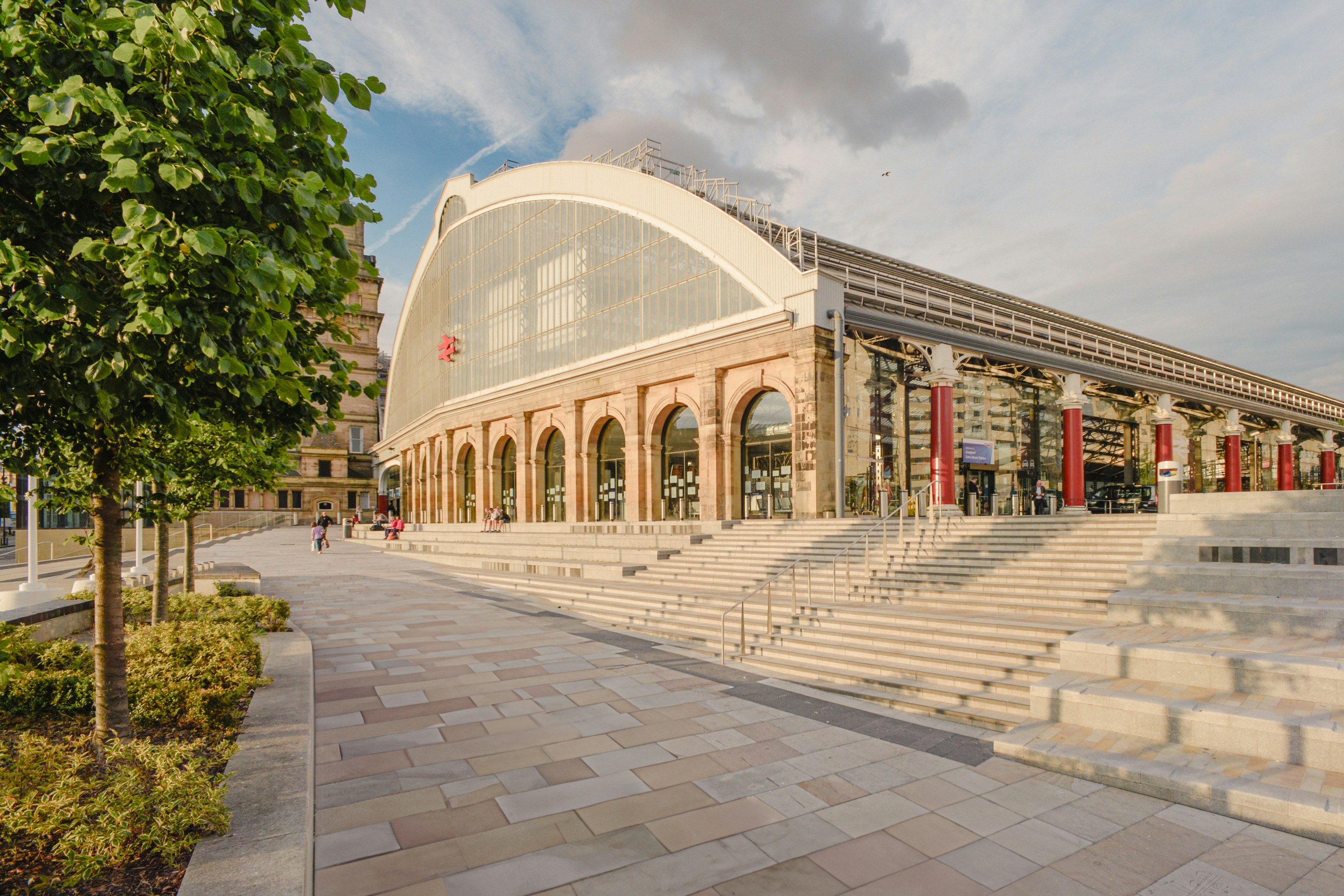
RealWorth is well experienced in valuing the benefits places create for people. However, valuing a whole city-centre quarter is a particular challenge, because that value comes from the interaction of many organisations, public spaces, attractions, businesses and visitors. We recently tackled it with St George's Quarter CIC, assessing the social value of St George's Quarter in Liverpool: the city's cultural and commercial heart, home to transport hubs, gardens, theatres, shops and St George's Hall. Here is what we learned.
Why measuring a place is different
Three challenges set place-based assessment apart from evaluating a programme or a single building.
Defining what you are measuring: A programme has activities and intended beneficiaries. A place has neither a single intervention nor a single participant group. Are you valuing its cultural institutions, its public spaces, the businesses it supports, or the combined experience of being there? Every place-based assessment has to start by drawing a boundary.
Understanding who benefits, and how: The same place means different things to different people. A student may gain knowledge and skills; a visitor, cultural enrichment; a worker, social connection; a resident, a sense of identity. Footfall tells you how many people use a place, not what they get from it.
Establishing what difference the place makes: Would people have had the same experience elsewhere, visiting another venue, meeting friends somewhere else or using similar services across town? In a city centre, where alternatives are usually close by, this question of additionality matters more than almost anywhere.
Breadth versus depth
A place-based assessment needs to capture a wider range of experiences across a diverse population, rather than examine one intervention or group in depth. This changes the research design: the aim is to develop a credible picture of the outcomes a place supports overall, while recognising that different groups experience it in different ways. The right balance between breadth and depth depends on the decisions the assessment needs to inform.
Putting it into practice: St George's Quarter
St George's Quarter shows all three challenges at once. Its institutions and public spaces are used in very different ways, and often as one stop in a wider trip into Liverpool.
The aim was a snapshot of the social value of the Quarter as a place, not an evaluation of one programme or a set of individual venues. We combined available footfall data with primary research among the people who use the area, asking what they gain from it how frequently they attended and for how long.
Scaling up research to estimate the value of a place: Estimating social value requires a defensible approach to moving from individual survey responses to the wider population of people who use the Quarter. Combining primary research with available footfall and visitor data helps build a modelled estimate of the benefits experienced across the area, with assumptions about the population and frequency of use made explicit.
A place is more than the sum of its parts: People experience St George's Quarter as a connected area, visiting multiple venues and using public spaces as part of the same trip. Assessing individual assets separately risks double-counting visitors and overlooking the value created by the Quarter as a whole. The assessment therefore needs to start with people's experience of the area, rather than aggregating the value of its constituent organisations.
Accounting for alternative destinations and activities: City-centre visitors have other options for how and where they spend their time. Considering what people would otherwise have done helps assess attribution, deadweight and displacement, and distinguish the value associated with the Quarter from the additional value it contributes.
Combining quantitative and qualitative evidence: Footfall and visitor data help establish the scale of a place's use, while outcome measures show the benefits people experience. Case studies add context, illustrating how those benefits arise and what they mean in practice. Together, these sources provide a more rounded account of a place's social value.
Together, these lessons demonstrate the importance of combining robust data, direct engagement with people and careful valuation judgements.
What should you do with the number?
A monetary estimate is a powerful communication tool, but it is not the whole story.
Putting a value on diverse social outcomes makes them easier to communicate and to weigh in decisions. It can show that a place contributes far more than visitor numbers or local spend suggest.
But the figure only means something alongside the outcomes included, the evidence collected, the assumptions made and the additionality estimated. It is not the market value of a place, the economic impact of its organisations, or a complete measure of everything it contributes to people's lives.
Nor should two places be compared on their headline figures alone, unless their boundaries, populations, outcomes and methods are genuinely comparable.
So, can you put a social value on a city centre?
Yes, but the quality of the estimate depends on the questions asked, the evidence available and the assumptions made.
A place-based assessment can help decision-makers understand which outcomes a place supports, who benefits and what those benefits are worth. It can bring together evidence that would otherwise remain fragmented across individual venues, organisations and activities.
The monetary estimate is one part of that picture. Its value lies in making social outcomes more visible in decisions about investment, management and regeneration, while being transparent about what the evidence can and cannot establish.
If you're considering an assessment of a town centre, cultural quarter or regeneration area, start with three questions:
What place are you trying to understand, and where are its boundaries?
Who uses it, and whose experiences need to be represented?
What would those people have done, or experienced, if the place weren't there?
The answers shape the research, the valuation and ultimately how useful the findings will be.
RealWorth helps organisations understand, measure and maximise the social value of places and projects. Get in touch to discuss an assessment.