
Filters
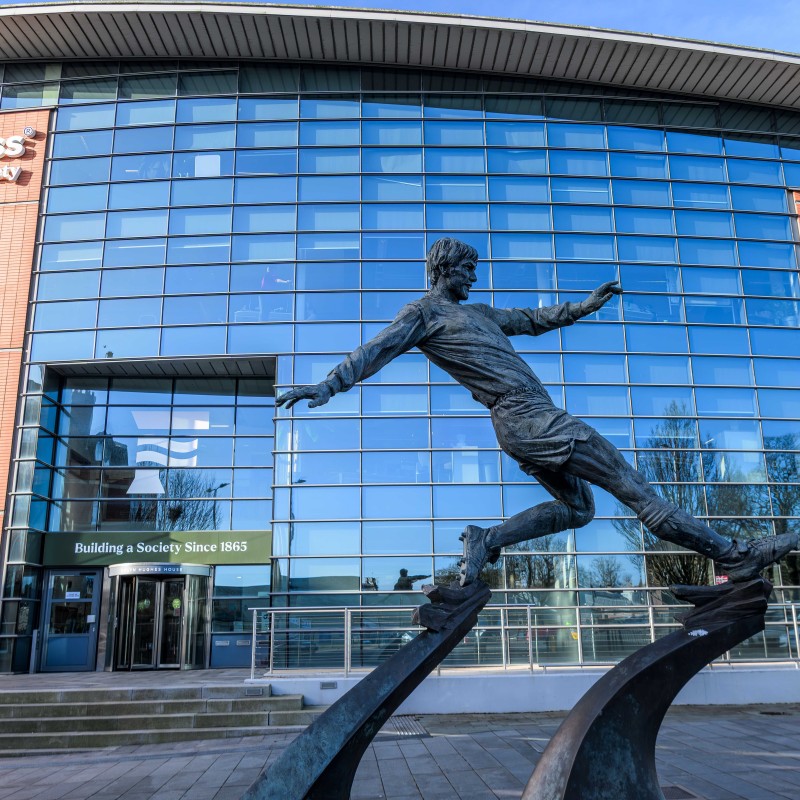

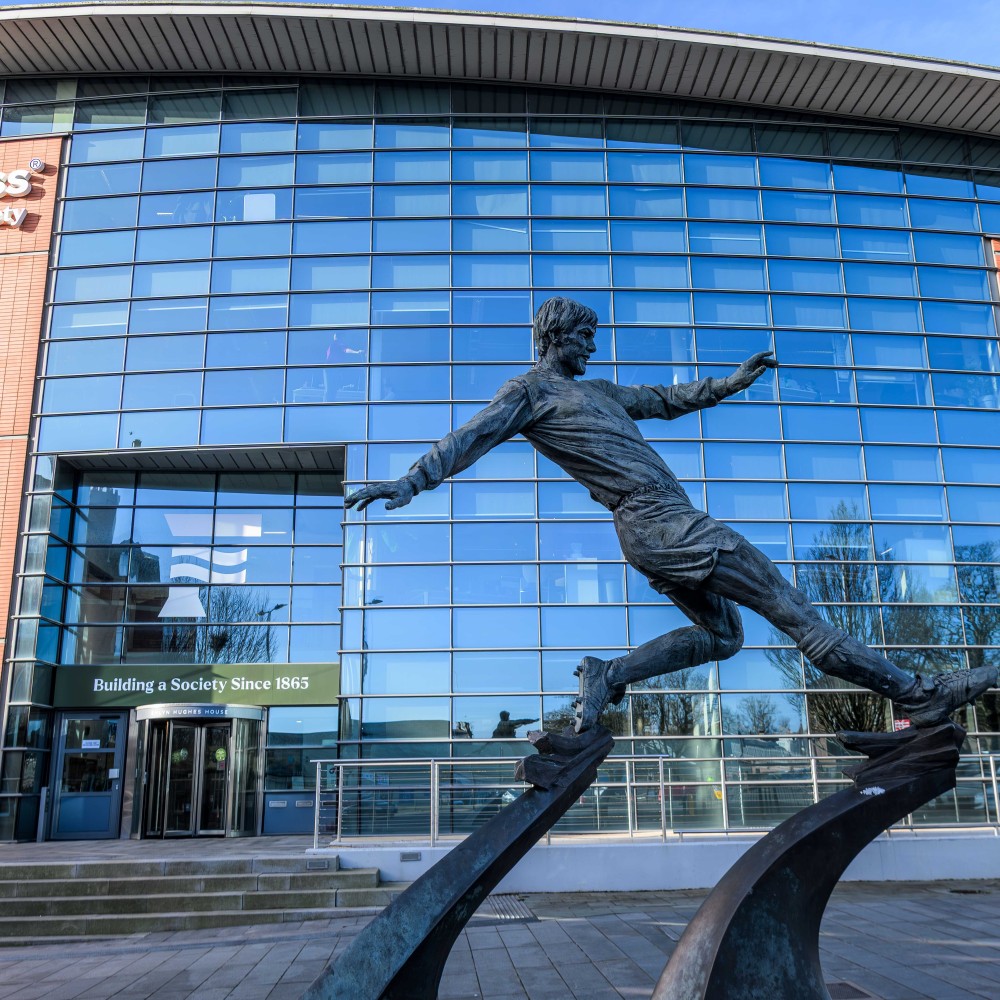
BSA: Developing a Social Value Toolkit for Building Societies
The Building Society Association (BSA) is the trade association representing all UK building societies. Its members are mutual financial institutions, owned by their members rather than external shareholders, providing mortgages, savings, and other financial services.
RealWorth was commissioned by the BSA to create a social value toolkit and guide to support the positive impact of individual branches. This toolkit includes a set of four connected resources for planning, delivering, and recording social value across the building society sector.
Case study

Creative Estuary: Undertaking an Evaluation of a Major Cultural Initiative
Creative Estuary was established to strengthen the Thames Estuary as a thriving creative region, supporting creative talent, place-based development and cultural opportunity across Essex and Kent.
RealWorth was commissioned to undertake an independent evaluation of Creative Estuary Phase 2 (2023–2026).
The evaluation combined stakeholder engagement, quantitative and qualitative evidence, case studies and financial valuation of outcomes to demonstrate the programme's impact and provide an evidence base for future investment and strategic development.
Case study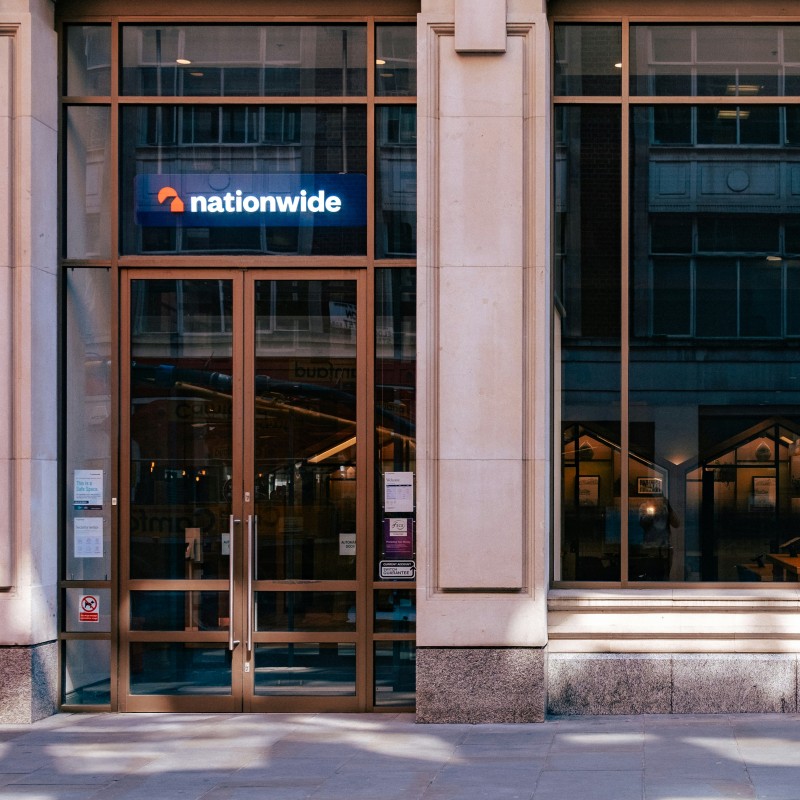
Building Societies Association: Assessing the Social Value of the National Branch Network
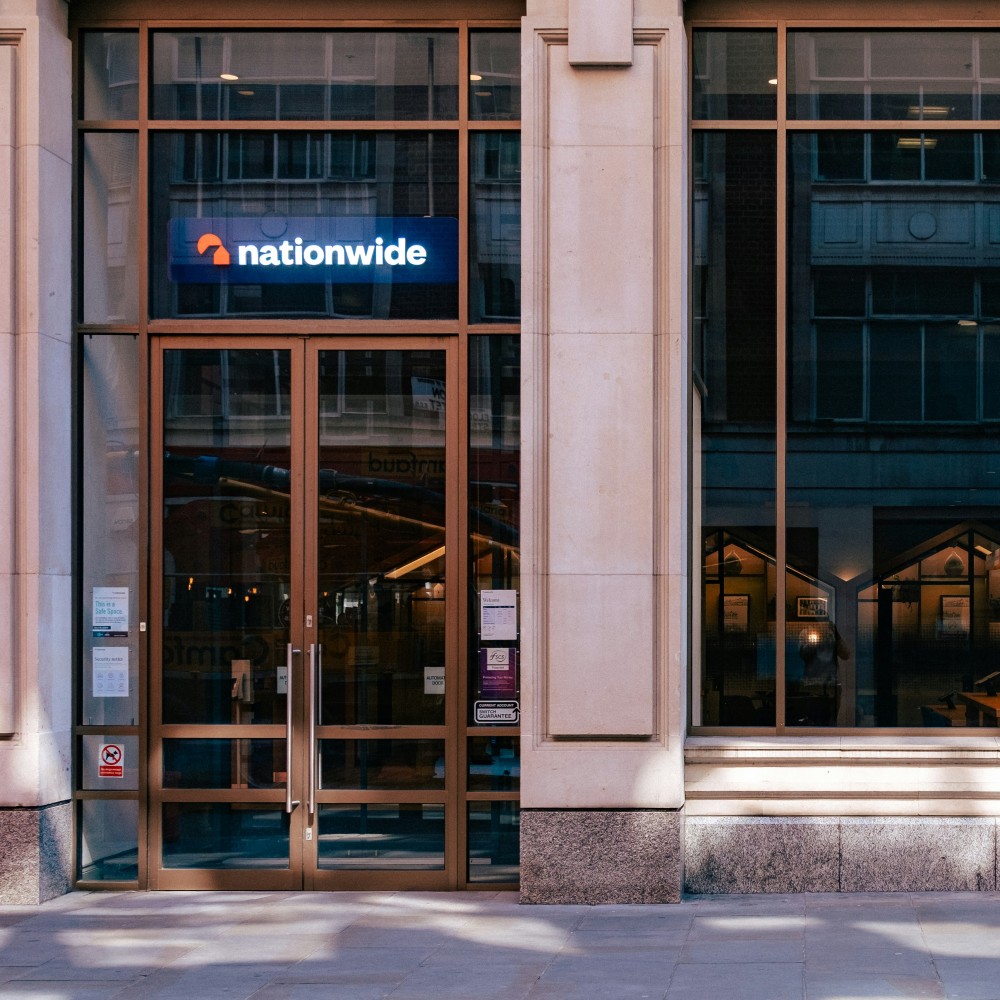
The Building Societies Association (BSA) is the voice for all 43 UK building societies as well as 6 credit unions. RealWorth was commissioned by the BSA to evaluate the social value created by building society branches across the UK. At a time of accelerating digitisation and widespread branch closures, the project sought to understand what is lost when face-to-face financial services disappear, and what value branches continue to create for customers and communities.
Using a mixed-methods Social Return on Investment (SROI) approach, we combined stakeholder interviews, site visits, customer surveys and social value modelling across a sample of 44 branches and eight building societies. The study explored how branches contribute not only to financial access, but also to fraud prevention, emotional wellbeing, learning, community outreach and high street vitality. Our analysis found that building society branches generate an estimated £7.6 billion in annual social value, equivalent to around £827 per in-person customer and £6.5 million per branch on average.
The research also demonstrated that branches function as vital local social infrastructure. For many people, particularly older customers, digitally excluded individuals and those experiencing vulnerability, branches provide reassurance, trust and human interaction that digital services alone cannot replace. Branches also act as a route for young people into the world of finance, teaching them and awareness and skills, and acting as a frontline against online scams.
The final report provided the Building Societies Association and its members with a robust evidence base to support strategic decision-making, policy engagement and advocacy around the future role of branches in the UK financial system.
Case study

The Social Hub: Evaluating the Impact of a Cross-European Portfolio of Mixed-Use Hotels
The Social Hub (TSH) brand provides hotels, student accommodation and co-working spaces, creating a more connected community. Adding to 21 locations around Europe, TSH wants to improve its social, economic and environmental performance across Europe and has developed plans to upgrade and expand its sites.
To support the assessment of current sites and future plans, TSH contacted RealWorth to demonstrate the social value of different sites across Europe, RealWorth measured and analysed the social change caused by projects and programmes using Social Return On Investment (SROI).
This analysis assisted the TSH sites in demonstrating the benefits of existing sites to its stakeholders and host cities by creating a range of social impact activities. The analysis indicated that the planned improvements could enhance the social value that these locations have brought to their surrounding areas. To date, RealWorth have worked with TSH across multiple sites in Spain, the Netherlands and Scotland.
Case study

KERB: Assessing the Social Value of KERBs Unique Approach to Food Markets
KERB is a membership-led street food organisation that supports independent food entrepreneurs through markets, food halls and events. Since its founding in 2012, KERB has grown from a collective of London street traders into an established market operator, while maintaining a strong focus on supporting small businesses and widening access to opportunities in the food industry.
Over a 12-month period from April 2025, KERB supported participants from underrepresented backgrounds into employment, trading and placements through a set of thoughtfully designed employment and skills programmes. KERB knew that this work had a positive social impact on its network and to better understand and evidence this wider impact, commissioned RealWorth to assess the social value created through its trading activities, membership model and KERB+ programmes using Social Return on Investment (SROI).
Our findings demonstrate the social value generated by KERB over a 12-month period and highlighted the role the organisation plays in supporting entrepreneurs, building skills and creating inclusive opportunities across its network. Going forward, our report will support KERB to develop and expand its programme and social impact strategy, informing key decisions and obtaining additional funding to expand its reach and deepen its impact.
Case study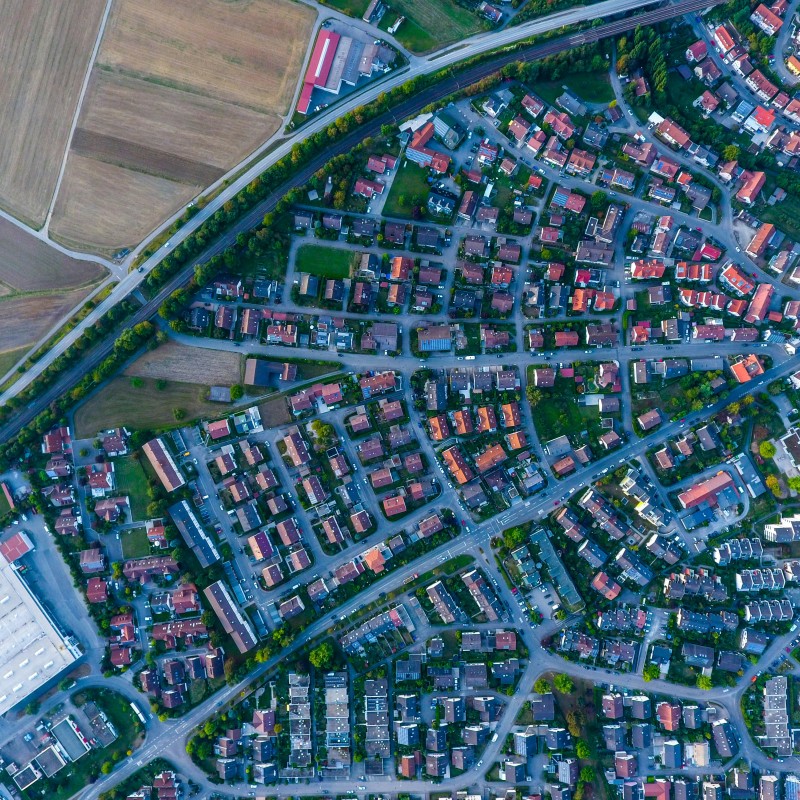
WSP & Homes England: Providing Social Value Advice and Strategy for a Major Urban Extension
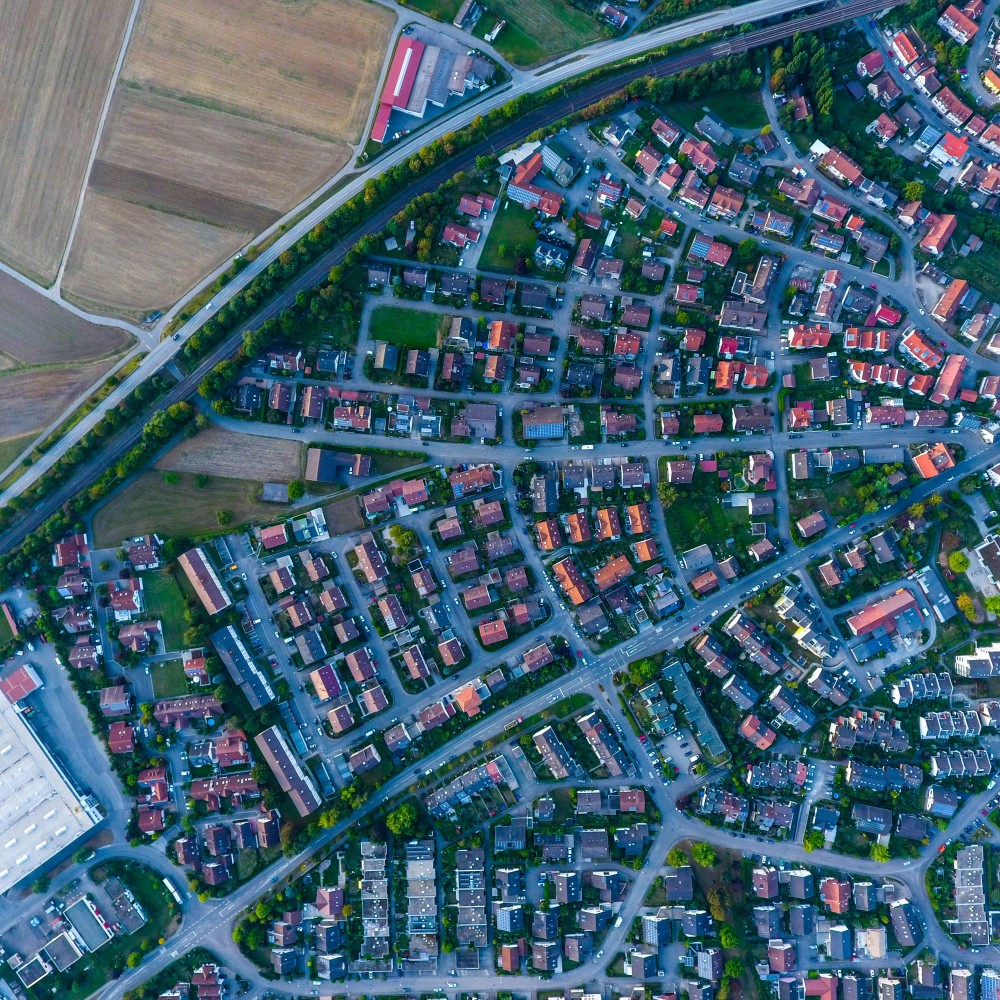
RealWorth is retained as social value advisor on this major development, which will deliver 4,200 new homes (including 30% designated as affordable housing). The project includes essential infrastructure, including two primary schools, a secondary school, healthcare facilities, shops, and leisure spaces. A green infrastructure network with open spaces and sports pitches will promote health, recreation and general wellbeing for visitors and local people.
RealWorth has supported WSP and Homes England in understanding local needs and establish a series of place-based targeted outcomes to address these needs; working with the masterplanning team to optimise the social impact created by current design proposals; producing a social value strategy for incorporation into the development framework to guide incoming developers on how to optimise social impact and measure their performance against defined outcomes; and providing strategic advice and advocacy to the team on community outreach and co-design activities.

Earls Court Development Company: Supporting the Social Impact of a 44-Acre Regeneration Plan
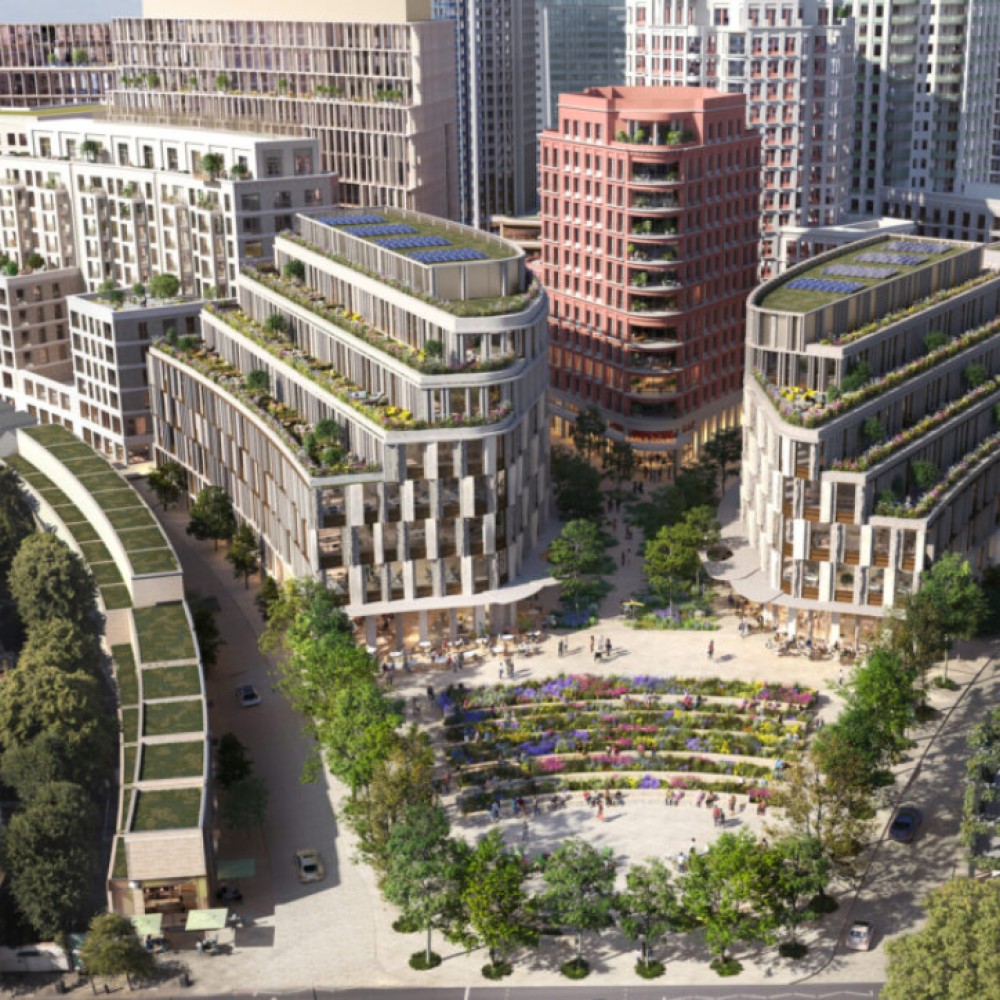
The Earls Court Development Company (ECDC) are responsible for driving the regeneration of the, circa 40 acres, former Earls Court Exhibition Centre site. In 2021, ECDC appointed RealWorth to measure the social value of the activities associated with the regeneration process and has since been retained as the Development Partnership’s Social Value Advisor to help define and implement its social value strategy.
This long-term appointment seeks to integrate social value into a wide range of functions conducted by ECDC during the planning, design, construction, and occupation phases of the development.
The work that RealWorth is doing is used by ECDC to underpin the design and development of the project, working towards a completed development that has embedded social value at every stage.
Case study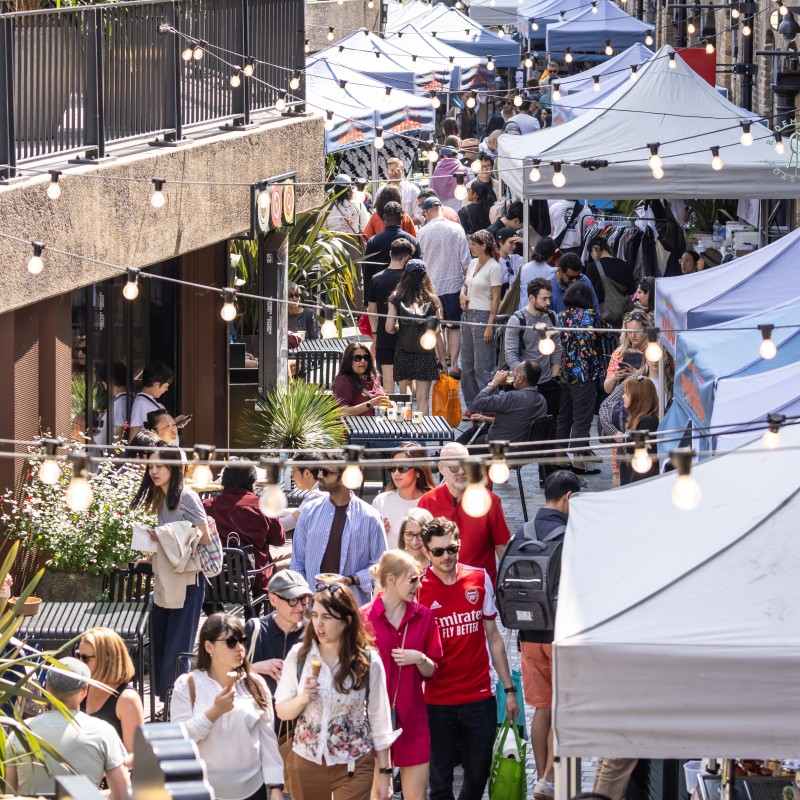

a-r-c-s: Evaluating the Impact of Socially Conscious Retail in Coal Drops Yard
In 2024, a-r-c-s commissioned RealWorth to evaluate the social impact of its activities over a 12-month period using the Social Return on Investment approach. The study assessed how a-r-c-s distinctive model – flexible turnover-based rents, community driven programming, and free event space – supports inclusive growth and cultural participation in King’s Cross.
Case study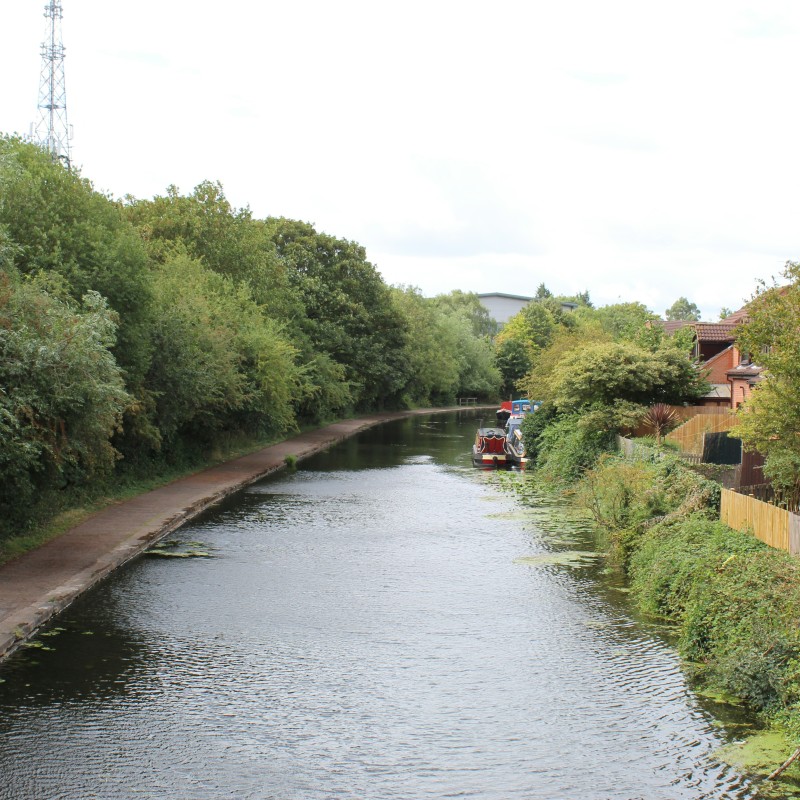
WSP & Homes England: Creating a Social Value Strategy for a New Rural Settlement
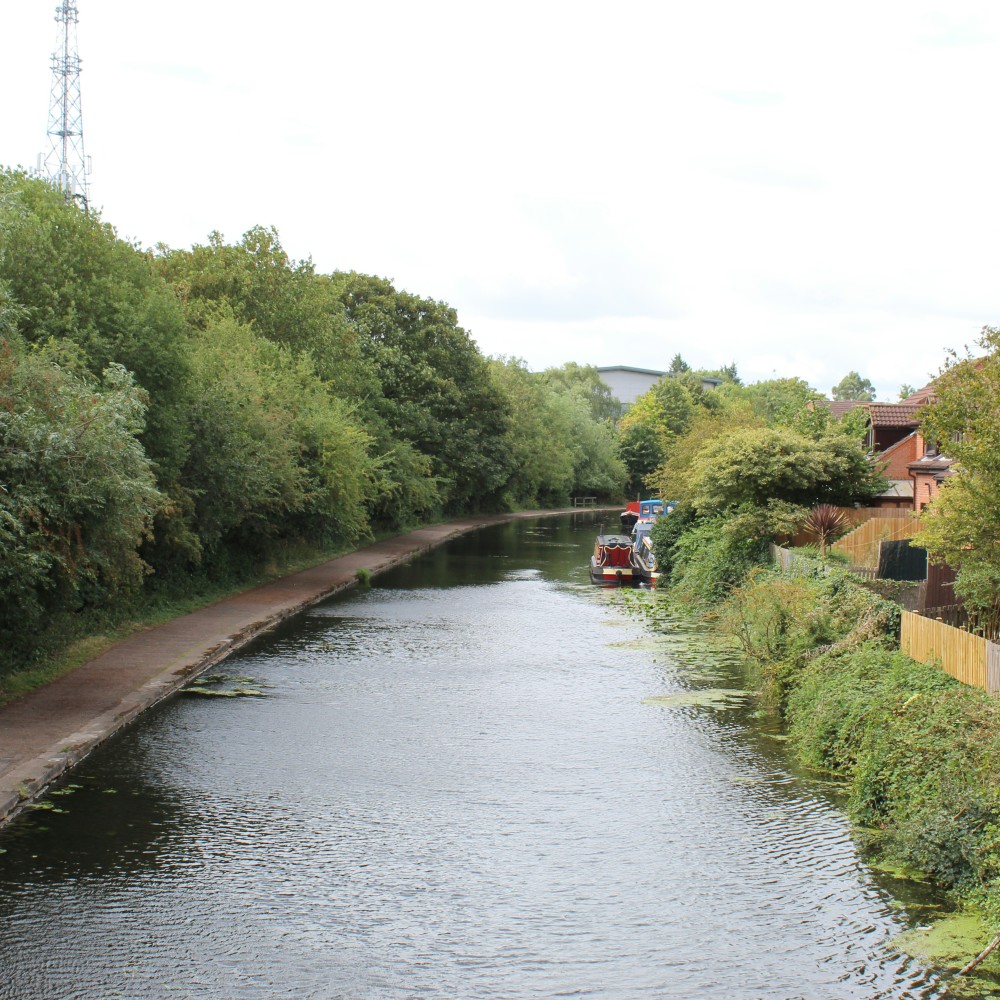
RealWorth was appointed by WSP and Homes England to draft a locally-tailored social value strategy for Nene Valley Village in Peterborough, informed by a model assessment criteria process of co-design. The project included hosting a workshop for Homes England, to discuss a social infrastructure assessment and identify potential locally-relevant social value opportunities, priorities and place-based indicators that align with Homes England’s Strategic Plan 2023-2038 and Peterborough City Council Local Plan 2023-2044. It also included holding meetings with local stakeholders to identify community-led initiatives that the project could support, as well as identifying social value opportunities, priorities and place-based indicators.
Case study