
27 January 2026
Something Doesn't Add Up: Why 2026 Should Be the Year We Move Beyond Desktop Social Value Calculators

Written by: James McGowan
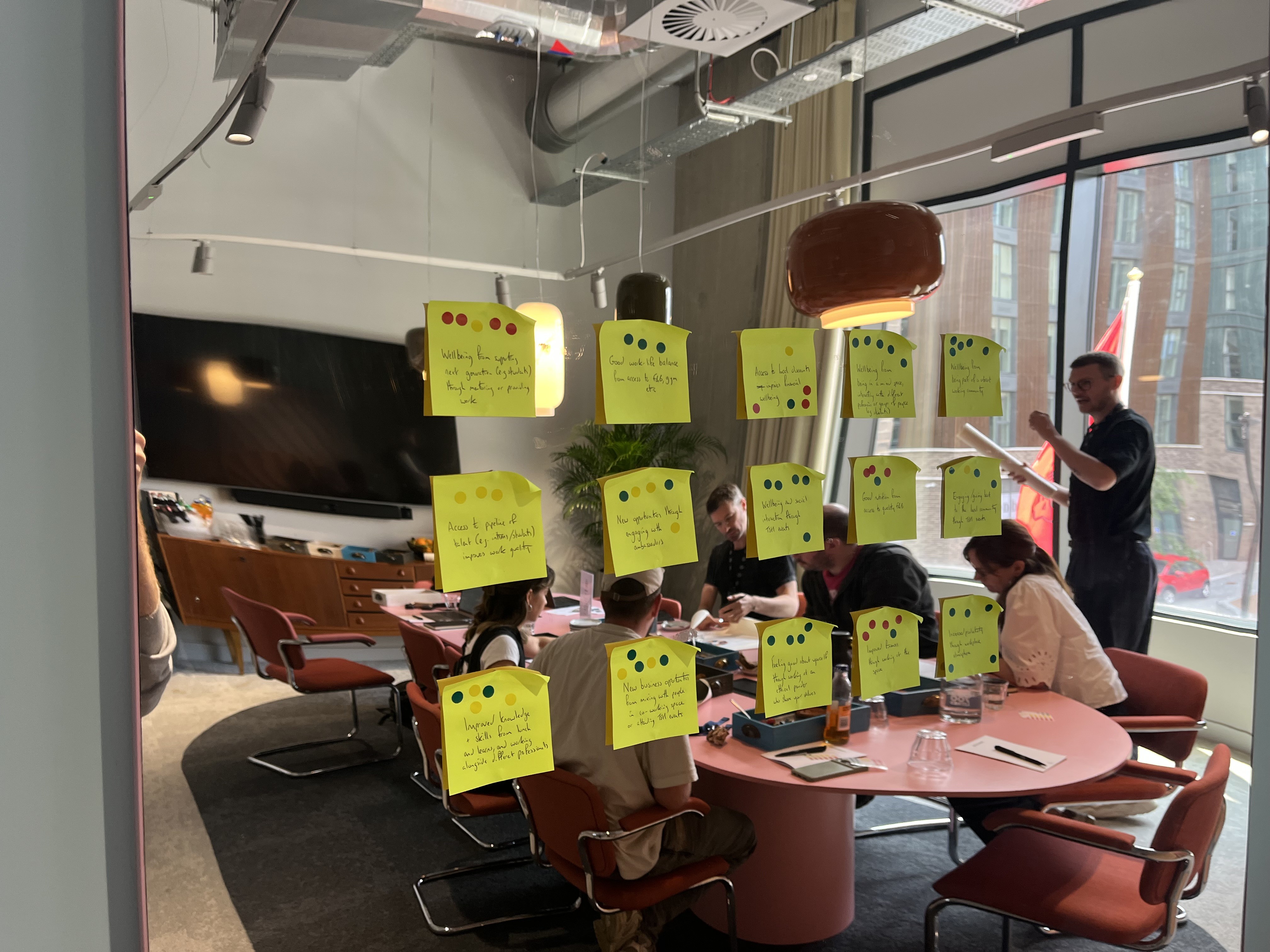
This year, we’re on a mission to ensure every organisation interested in social value receives expert-led consultancy that actually makes a difference.
The growing interest in the social impact of real estate, cultural assets, and commercial enterprises has been positive for people and communities. Yet, many organisations find that some commonly used approaches to impact management can feel unclear or unconvincing and do not always help improve outcomes, particularly around measurement. Social impact reporting has increased dramatically, but reports claiming millions of pounds generated do not always relate to tangible benefits on the ground.
The challenge is often how impact is measured. Many organisations rely on online impact calculators for measurement, which, whilst convenient, produce broad, indicative figures that are sometimes treated as definitive, limiting insight into what drives impact and how investment decisions could be better informed.
Should 2026 be the year we move away from an over-reliance on off-the-shelf desktop calculators? In this article, we discuss why expert-led, bespoke impact studies offer far greater value for developers, local authorities, creative and cultural organisations and VCSEs looking not just to measure social value, but to improve it.
The Rise (and Limits) of Desktop Calculators
Desktop social value calculators have become widespread for a reason. They are quick, accessible and relatively inexpensive. For organisations at a very early stage of thinking about social value, or those needing a high-level, like-for-like comparison between options, they can be useful.
However, problems arise when these tools are used as a substitute for impact evaluation, rather than a starting point.
Many desktop calculators rely on simple input and output data, such as numbers trained, hours volunteered, and sessions delivered, and convert these directly into monetary figures using pre-selected values. What they rarely do is tell you whether meaningful outcomes occurred, for whom, and why.
What Desktop Calculators Miss
The most significant limitation of desktop tools is not that they monetise impact, but how they do it and what they leave out. Of course, platforms vary in quality, and the following points don’t apply to all of them. However, some common issues often overlooked include:
Outcomes, not just activity: Inputs and outputs describe what was delivered, not what changed. Without outcome data, organisations are left unable to understand whether their activity made a tangible difference to people’s lives.
Negative and unintended impacts: Very few calculators ask questions about what didn’t work, who may have been excluded, or whether any negative or unintended consequences occurred. These insights are often where the most valuable lessons lie.
Local social context: Desktop tools rarely account for the unique social, economic, and cultural context in which a programme operates. A programme in a deprived urban area faces very different challenges and potential impacts than one in an affluent, rural community. Ignoring context risks oversimplifying the picture and generating conclusions that are misleading for decision-making.
Deadweight, displacement and the attribution: What would have happened anyway? Who benefited that might have done so regardless? How long will the changes last? Without considering these questions, figures risk overstating – or understating - the impact.
Opaque proxies: Many calculators use proxy values that are not clearly explained, sourced, or tested for relevance to the context. This makes it difficult for organisations to defend their findings or repeat the study.
Limited data collection: Perhaps most importantly, desktop tools typically require minimal engagement with stakeholders. Without robust qualitative and quantitative data collection, measurement risks being detached from lived experience.
The result is a number that looks precise, but offers little insight into how to improve services, target investment, or refine delivery.
What Bespoke Impact Studies Do Differently
Expert-led, bespoke impact studies are designed for a different purpose. They are not about producing a single figure as quickly as possible; they are about understanding change, improving performance, and supporting better decisions.
A robust study improves the reliability of calculations, whilst also including:
Thorough, proportionate data collection: This includes direct engagement with beneficiaries, delivery partners and other stakeholders, ensuring that findings are grounded in real experience rather than assumptions.
Outcome-focused analysis: By clearly defining and testing outcomes, organisations can understand what has changed, for whom, and under what conditions.
Thematic and qualitative insight: Monetary values are accompanied by thematic analysis, case studies and narrative insight that explain why outcomes occurred and how they can be strengthened.
Actionable recommendations: Good studies do not stop at reporting. They translate findings into clear, practical recommendations that inform service design, investment decisions and strategy
Designed for Real-World Use
Another common frustration we hear is that impact reports are produced, shared once, and then shelved. Bespoke studies recognise that different stakeholders need different levels of detail. As a result, outputs typically include:
In-depth technical reports for funders, auditors and commissioners
Clear summary reports for senior decision-makers
Visual infographics and accessible materials for wider audiences
Crucially, many bespoke studies also leave organisations with a framework to carry forward.
By developing tailored outcome models, data collection tools and analytical approaches, organisations are equipped to continue learning internally. This makes future measurement more efficient, more repeatable, and ultimately more cost-effective, with follow-up studies building on, rather than starting from scratch.
The Way Forward
Desktop calculators will still have a place for high-level comparisons and early-stage exploration. But they cannot, on their own, provide the depth of understanding required to improve outcomes, justify investment, or deliver meaningful social value.
In 2026, moving beyond calculation towards insight, learning and strategy is not a luxury. It is essential for any organisation serious about making a real difference.